
Introduction to molecular lab fundamentals
The EBL is offering a 3-day introductory course to molecular lab fundamentals for new Hons and PhD students (and others) who don’t have a strong genetics/molecular background.
Event series
Content navigation
RegisterDescription

Are you (or your student) new to molecular lab work? Could you or they benefit from an introduction to operating in a genetics lab?
The ANU EcoGenomics Lab (EBL) is offering a (free) 3-day basic introduction course to molecular lab fundamentals for new honours and PhD students (and others) who don’t have a strong genetics/molecular undergrad or background.
Schedule
|
Day 1 - Wed 4 May
|
|
Introduction to lab operations
|
|
DNA Extraction Method 1: Silica column-based kit
|
|
Day 2 - Thu 5 May
|
|
DNA Extraction Method 2: Phenol / Chloroform DNA Quantitation
|
|
Day 3 - Fri 6 May
|
|
PCR Amplification: Master Mixes, enzymes, reactions generally
|
|
Run agarose gels:
|
If you would like to attend please register by 1 April. We will be in touch after this date to discuss the workshop.
* Note: This introductory course is NOT designed for those students who are doing a predominantly molecular project and have had molecular/genetics lab training at undergrad level, but rather students who have a more ecological/morphological background and are either new to genetics or who have a small genetic component to their project.
Location
EBL, RN Robertson Building, ground floor, 46 Sullivans Creek Road, ANU
Upcoming events in this series

Carlos Melian, EAWAG, Switzerland, will lead a workshop exploring the theoretical foundations and examples of network and multilayer network analysis for biological and ecological systems.
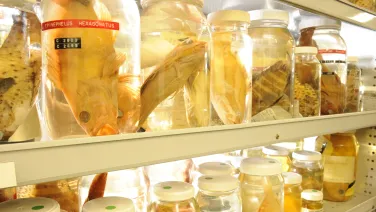
Join keynote speakers Nic Rawlence, University of Otago and Emilio Mármol Sánchez, University of Copenhagen for an exploratory workshop for researchers interested in generating and utilising historical datasets.
Jessica Storer and Rachel O’Neill from the University of Connecticut will give an overview of assembling repetitive parts of the genome, how to check assemblies and curate and annotate the genome for transposable elements.

Henry North from the University of Cambridge will present a hands-on workshop focused on the application of whole-genome population genomics to monitoring and managing invasive and endangered populations.

Paula Riccardi from the Bavarian State Collection of Zoology will introduce a framework for contextualising large volumes of imaging and DNA barcoding data into taxonomic revisions and species descriptions.